I wanted to take a moment to share one of my favourite herbal teas and explore the hibiscus tea benefits that have made this vibrant infusion so popular around the world. Bold in colour and naturally caffeine-free, hibiscus tea has supported me personally and has been enjoyed for centuries across many cultures.
Tea makers prepare hibiscus tea from the dried calyces of the Hibiscus sabdariffa flower. It has been enjoyed for centuries across Africa, the Middle East, Asia, and the Caribbean, not only for its refreshing, tart flavour but also for its traditional wellness uses.
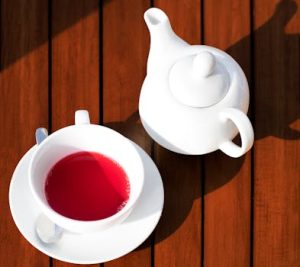
Naturally caffeine-free and strikingly ruby red, hibiscus tea is as beautiful as it is versatile.
What Is Hibiscus Tea?
Unlike true teas such as white tea, hibiscus tea is an herbal infusion, not a true tea, as it does not come from the Camellia sinensis plant.
Instead, it is brewed from the dried flower calyces of the hibiscus plant. When steeped, they release a deep crimson colour and a pleasantly sharp, fruity taste often compared to cranberries or red berries.
It can be enjoyed:
Hot and soothing
Cold as a refreshing iced tea
On its own or lightly sweetened
What Does Hibiscus Tea Taste Like?
Hibiscus tea has a naturally tart, fruity flavour.
Many people enjoy it:
Plain
With a touch of honey
Balanced with rosehip, apple, or cinnamon
In addition, because of its bold taste, hibiscus also works beautifully as an iced tea, especially during warmer months.
Hibiscus Tea Benefits
Many of the traditional hibiscus tea benefits are linked to its naturally occurring plant compounds and long history of use as a refreshing herbal drink.
Modern research is still developing, but existing studies suggest several potential benefits when hibiscus tea is enjoyed regularly as part of a balanced lifestyle.
Supporting Heart Health
One of the most widely studied areas of hibiscus tea is its relationship with cardiovascular health.
Several studies suggest that regular consumption of hibiscus tea may help support healthy blood pressure levels. This effect is thought to be linked to compounds in hibiscus that help relax blood vessels and support healthy circulation.
As with all dietary habits, hibiscus tea works best alongside a varied diet and healthy lifestyle.
Rich in Antioxidants
Hibiscus tea contains a variety of plant compounds, including polyphenols and anthocyanins, which act as antioxidants.
Antioxidants help protect the body from oxidative stress caused by free radicals — unstable molecules that can contribute to premature ageing and inflammation.
The deep red colour of hibiscus tea is a natural indicator of these antioxidant compounds.
Digestive Comfort
Traditionally, people have used hibiscus to support digestion.
Hibiscus tea is naturally gentle and may help:
Support regular digestion
Ease occasional bloating
Provide a soothing after-meal drink
Its naturally acidic profile may also stimulate digestive processes in some people.
Immune Support
Hibiscus is a natural source of vitamin C, which plays a role in supporting normal immune function.
Combined with its antioxidant content, hibiscus tea can be a comforting choice during seasonal changes or whenever the body needs a little extra support.
Hibiscus Tea and Weight Management
Some research suggests that hibiscus extracts may influence fat metabolism and carbohydrate absorption. As a tea, hibiscus is:
Naturally calorie-free
Satisfying due to its bold flavour
A helpful alternative to sugary drinks
While hibiscus tea is not a weight-loss solution on its own, it can fit nicely into a mindful, balanced routine.
How to Enjoy Hibiscus Tea
You can prepare hibiscus tea easily at home.
To brew hot:
Add dried hibiscus flowers to a teapot or infuser
Pour over freshly boiled water
Steep for 5–7 minutes
Strain and enjoy
To brew iced:
Brew a stronger infusion
Let it cool
Serve over ice with optional citrus or mint
Because hibiscus is naturally caffeine-free, it’s suitable for any time of day, including evenings.
A Gentle Note of Caution
Most people tolerate hibiscus tea well, but it may interact with certain medications, particularly those related to blood pressure.
If you are pregnant, managing a medical condition, or taking prescription medication, it’s always best to consult a healthcare professional before making hibiscus tea a regular habit.
Final Thoughts
Hibiscus tea is bold in colour, refreshing in flavour, and deeply rooted in tradition.
Whether enjoyed hot on a quiet evening or iced on a warm afternoon, it offers a beautiful way to pause, hydrate, and reconnect with simple rituals.
Sometimes, a cup of tea doesn’t need to be subtle to be soothing 🌺
Research into tea antioxidants and plant compounds has been discussed by trusted sources such as Harvard Health Publishing.