No products in the cart.

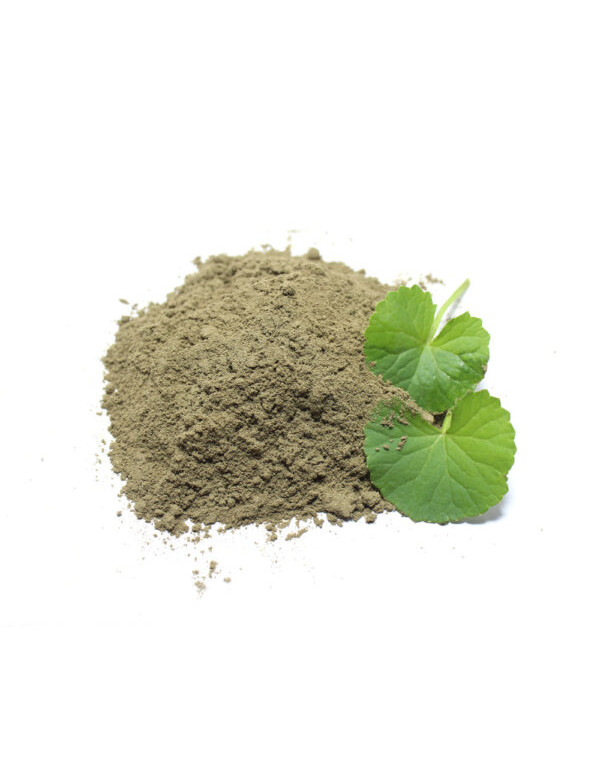
Brahmi (Bacopa monnieri), also known as water hyssop, is a small creeping herb native to the wetlands of India, Nepal and South-East Asia, and one of the best-known plants in Ayurvedic tradition.
Our natural brahmi powder is finely ground from the dried herb. It has a bitter, slightly sweet and astringent taste, so it's usually mixed with warm milk and honey, stirred into smoothies, or used in Ayurvedic-style hair masks.
Suggested Use:
0.5g (½ teaspoon) with warm water or milk and honey, once or twice daily, or as directed by your health practitioner.

Security policy

Delivery policy
Brahmi has been part of Ayurvedic tradition in India for centuries. In Ayurvedic terms it's described as bitter, astringent and sweet in taste, with a cooling energy.
How to use: stir ½ teaspoon into warm water or milk with a little honey, add to a smoothie, or mix with water or yoghurt for a hair mask.
Storage: Thanks to our packaging can be stored anywhere at room temperature, clean and dry, away from direct sunlight.
Note: Do not exceed the recommended daily intake. Food supplements are not a substitute for a balanced and varied diet, and a healthy lifestyle. Do not take during pregnancy or breastfeeding. Please consult with your health care practitioner if you are taking medications, or have a medical condition. Keep out of the reach of children.
Nutritional values per 100 g
| Energy | 233 kcal/ 970 kJ |
| Total fat | 1,6 g |
| -of which saturated fatty acids | 0,50 g |
| Carbohydrates | 28.50 g |
| -of which sugar |
3,20 g |
| Dietary fiber |
38,40 g |
| Protein |
7,00 g |
| Salt | 0,05 g |
Brahmi is generally safe, but some people may experience nausea, stomach cramps, and diarrhea.
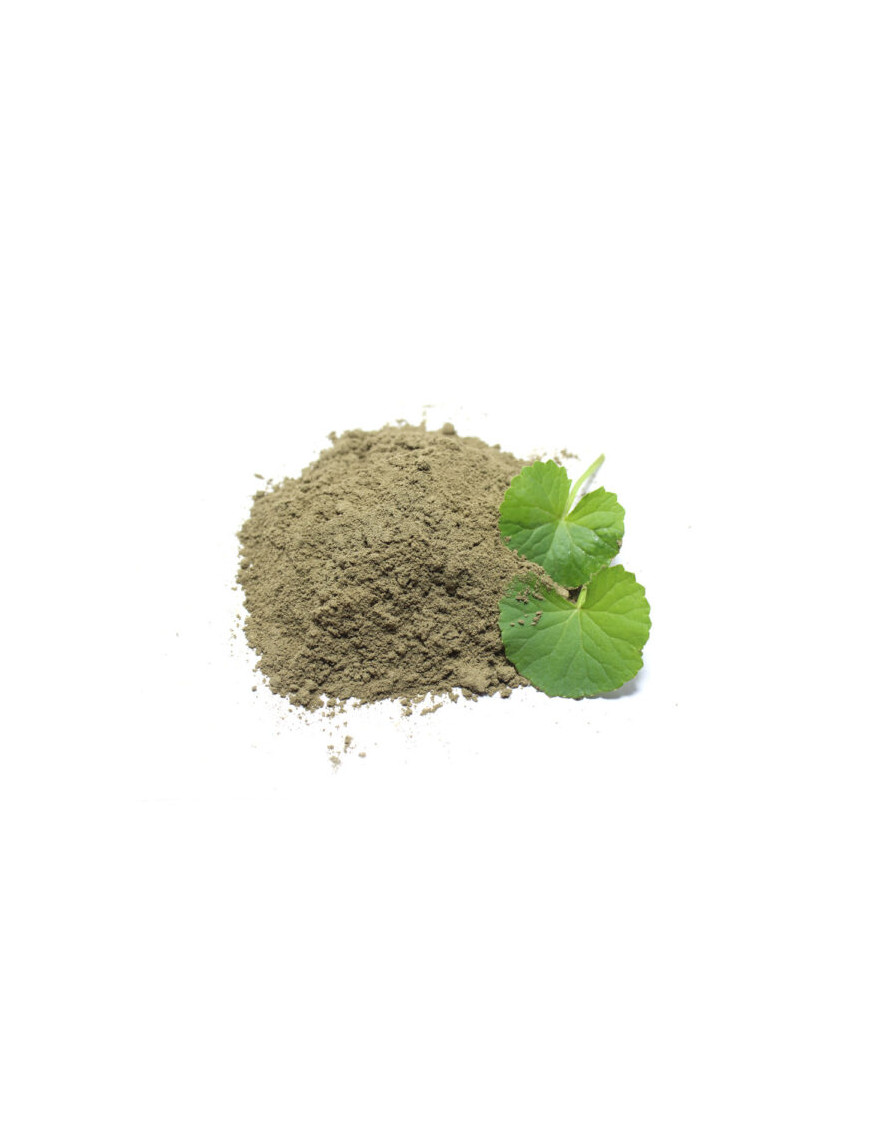
Brahmi (Bacopa monnieri), also known as water hyssop, is a small creeping herb native to the wetlands of India, Nepal and South-East Asia, and one of the best-known plants in Ayurvedic tradition.
Our natural brahmi powder is finely ground from the dried herb. It has a bitter, slightly sweet and astringent taste, so it's usually mixed with warm milk and honey, stirred into smoothies, or used in Ayurvedic-style hair masks.
Suggested Use:
0.5g (½ teaspoon) with warm water or milk and honey, once or twice daily, or as directed by your health practitioner.